Accueil - Laboratoire - Mark Basik
Le Laboratoire de génomique du cancer et de recherche translationnelle est dédié à l’avancement de l’oncologie de précision grâce à des recherches de pointe en biopsies liquides et en génomique du cancer, avec un accent principal sur le cancer du sein. Notre mission consiste à traduire les connaissances génomiques en outils cliniquement exploitables afin d’améliorer la détection précoce, le suivi des traitements et les résultats pour les patientes et patients.
Nous intégrons la biologie moléculaire, la bioinformatique et des modèles dérivés de patients cliniquement pertinents pour comprendre l’évolution tumorale, l’hétérogénéité et les mécanismes de résistance. Notre équipe interdisciplinaire collabore étroitement avec des cliniciens, des scientifiques computationnels et des partenaires biotechnologiques afin de faire le lien entre la recherche fondamentale et les soins aux patients.
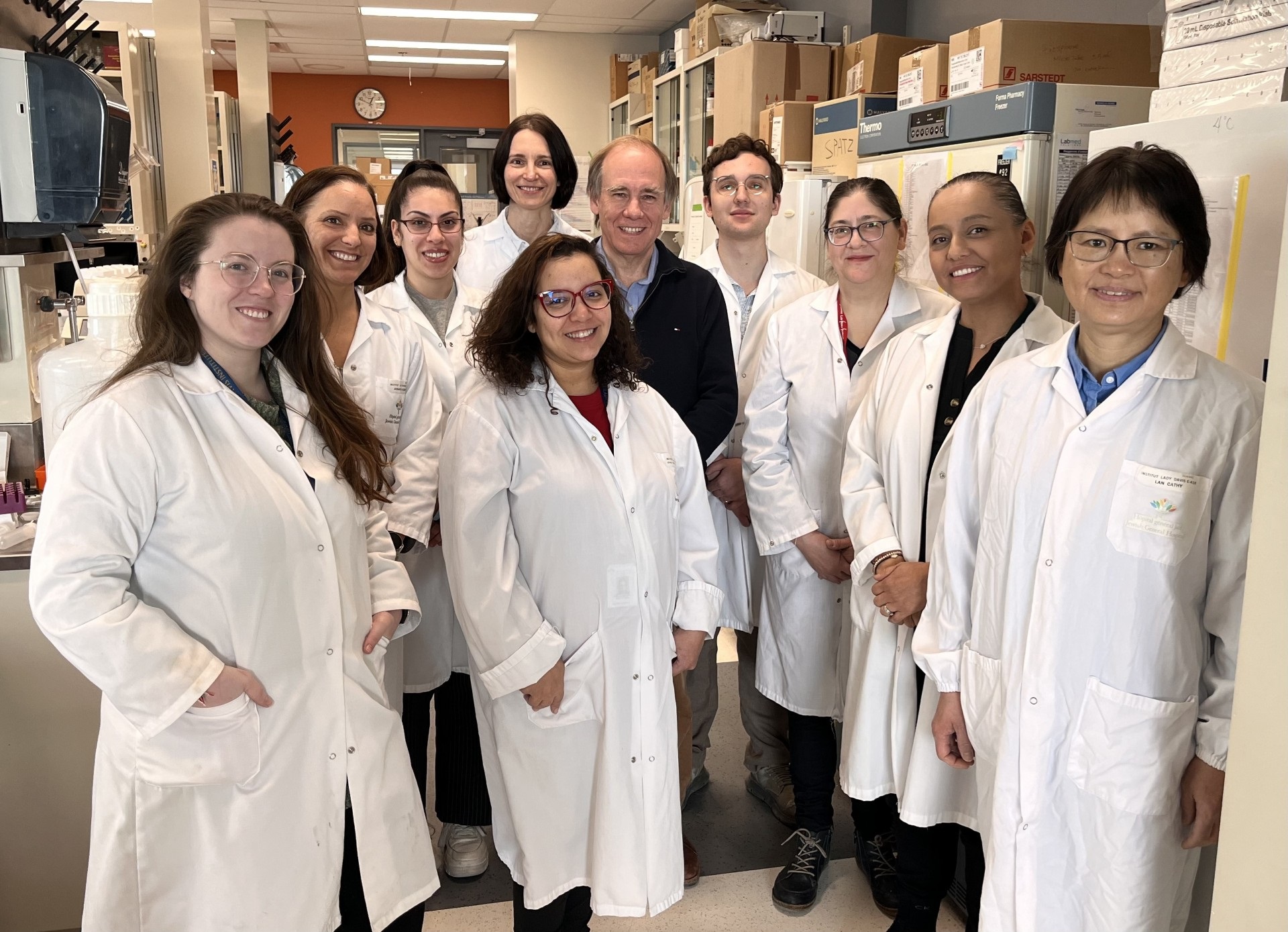
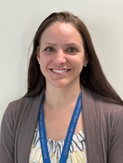
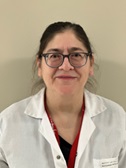
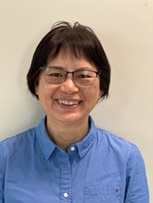
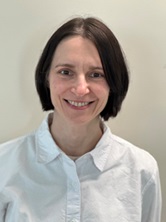
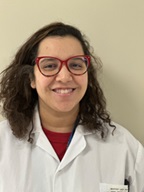
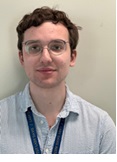
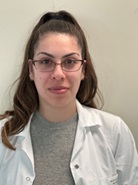
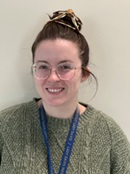
Membres du laboratoire GCRT.
Nos recherches se concentrent sur les domaines suivants :
Les biopsies liquides, des tests peu invasifs permettant de détecter du matériel tumoral dérivé dans le sang et d’autres fluides biologiques, sont au cœur de nos travaux.
Notre laboratoire développe des tests personnalisés d’ADN tumoral circulant (ctDNA) afin de permettre une détection et une quantification sensibles du ctDNA pour la détection de la maladie résiduelle minimale et le suivi de la maladie.
Nos tests de ctDNA sont utilisés comme biomarqueurs dans des essais cliniques sur le cancer du sein (Q-CROC-03, TRICIA, FRIDA et ESCAPE).
Le décodage de l’architecture génomique du cancer du sein est au centre de notre mission. Nous appliquons le séquençage à haut débit et des analyses intégratives pour :
En combinant la génomique des tissus tumoraux avec les profils de biopsies liquides, notre laboratoire dissèque les mécanismes de progression et de récidive aux niveaux de l’ADN et de l’ARN.
En parallèle de nos recherches en génomique et en biopsies liquides, le laboratoire possède une vaste expérience dans le développement et la caractérisation de modèles de xénogreffes dérivées de patients (PDX) ainsi que de systèmes in vitro dérivés de PDX pour le test fonctionnel de médicaments.
Ces modèles reproduisent fidèlement les caractéristiques génomiques, transcriptomiques et phénotypiques des tumeurs originales des patients, permettant une évaluation robuste des vulnérabilités thérapeutiques.
Nous exploitons les PDX et les lignées cellulaires dérivées de PDX pour réaliser des études de réponse aux médicaments in vivo et in vitro, étudier les mécanismes de résistance et valider des hypothèses thérapeutiques guidées par la génomique.
Nos recherches sont fortement orientées vers la translation clinique, avec pour objectif de transférer les découvertes vers la pratique médicale. Les principales initiatives translationnelles comprennent :
Nous utilisons des plateformes et des approches de pointe, notamment :
Nous entretenons des collaborations actives avec des partenaires cliniques, académiques et industriels afin d’accélérer la translation de la recherche.
Contemporary research has uncovered a role for environmental copper in the development and progression of neurodegenerative diseases such as Alzheimer’s and Parkinson’s disease. Previous research implicated non-ceruloplasmin bound copper in the aggravation of neurodegenerative phenotypes. Our research explores the role of copper in ALS progression through monitoring of copper biomarkers and analyses of copper metabolism gene expression.
Lorem ipsum dolor sit amet consectetur adipisicing elit. Maxime mollitia, molestiae quas vel sint commodi repudiandae consequuntur voluptatum laborum numquam blanditiis harum quisquam eius sed odit fugiat iusto fuga praesentium optio, eaque rerum! Provident similique accusantium nemo autem. Veritatis obcaecati tenetur iure eius earum ut molestias architecto voluptate aliquam nihil, eveniet aliquid culpa officia aut! Impedit sit sunt quaerat, odit, tenetur error, harum nesciunt ipsum debitis quas aliquid. Reprehenderit, quia. Quo neque error repudiandae fuga? Ipsa laudantium molestias eos sapiente officiis modi at sunt excepturi expedita sint? Sed quibusdam recusandae alias error harum maxime adipisci amet laborum. Perspiciatis minima nesciunt dolorem! Officiis iure rerum voluptates a cumque velit quibusdam sed amet tempora. Sit laborum ab, eius fugit doloribus tenetur fugiat, temporibus enim commodi iusto libero magni deleniti quod quam consequuntur!
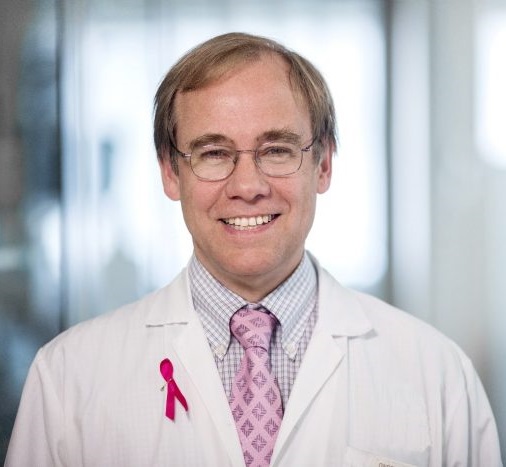
Le Dr Basik est chercheur en chirurgie à l’Institut Lady Davis de recherches médicales et professeur agrégé aux départements de chirurgie et d’oncologie de l’Université McGill depuis 2003. Il dirige le laboratoire de génomique du cancer et de recherche translationnelle et est directeur médical de l’équipe interdisciplinaire du cancer du sein au Centre du cancer Segal de l’Hôpital général juif. Le laboratoire du Dr Basik fait partie du Réseau de cancérologie – axe Cancer du sein/ovaire du FRQS et, à ce titre, participe activement à une banque provinciale de tumeurs mammaires et de plasma dans le domaine du cancer du sein. Ses principaux intérêts de recherche sont : l’étude des modifications de l’ADN dans le cancer du sein et du côlon ; l’étude des mécanismes de résistance aux différents médicaments utilisés dans le cancer du sein et du côlon, y compris la chimiothérapie et les thérapies ciblées ; la découverte et la validation de biomarqueurs tissulaires et plasmatiques prédictifs de la réponse au traitement. Le Dr Basik et son équipe travaillent dans le domaine de la recherche translationnelle sur le cancer, qui vise à faire le lien entre la recherche fondamentale et la recherche clinique au profit des patients atteints de cancer. La force de son laboratoire réside dans la facilité d’accès aux échantillons cliniques des patients et dans l’utilisation de technologies de pointe.
I received a BSc in Molecular Biology & Genetics from McMaster University in 2017. I am currently studying how mutations of dyskerin, a telomerase-associated protein, affect its interaction with other proteins, subcellular localization, and telomerase RNA abundance.
I am a Belizean pursuing a PhD in Anatomy and Cell biology at McGill University in Montreal. I completed my BSc in Biochemistry and Cellular and Molecular Biology and my MSc in Biochemistry at Memorial University in Newfoundland Canada. My research interest involves increased understanding stem and cancer cell dynamics and redox biology to be applied to therapeutics for health span extension.
I come from Brazil, where I graduated in Biochemical Engineering at the Federal University of Paraná. I have more than four years of professional experience in manufacturing and quality assurance of reagents for molecular diagnostics. Now I’m interested in better understanding the role of the protein dyskerin and H/ACA ribonucleoprotein complexes in regulating telomere biology and cellular aging.
Linda completed her BSc in Biology at the University of Waterloo. During her undergraduate degree, she worked as a co-op student in the lab of Dr. Paul Mains where her project used C. elegans to describe gene variants that cause drug resistance in parasitic nematodes. After graduating, she worked for a year in the lab of Dr. Ryan Yuen at SickKids in Toronto investigating short tandem repeat expansions using Nanopore and Sanger sequencing. She is now pursuing her MSc in the Autexier lab and is interested in how a region of telomerase, known as the insertions in fingers domain (IFD), is involved in its localization and activity at the telomeres. When not in lab, Linda enjoys listening to music or watching movies while she knits.
Vincenza is an MSc. Student in the Department of Pharmacology. She completed her BSc. in Pharmacology at McGill University. Her project aims to elucidate the role of e-cigarette use on the murine cardiopulmonary system. Specifically, she is focusing on metal deposition in the lungs, and the progression of atherosclerosis due to these exposures.
Nikola is an incoming MSc Student who completed his undergraduate degree in
Microbiology and Immunology at McGill University. He is currently working on an NSERC
summer project that assesses the functional characterization of macrophages exposed to arsenic using murine bone marrow-derived macrophages.
Roni is a second-year BSc student in Chemistry at McGill. As an undergraduate student, she works on various projects across the lab, but is currently focused elucidating the correlation between nonalcoholic fatty liver disease and vaping.
Contemporary research has uncovered a role for environmental copper in the development and progression of neurodegenerative diseases such as Alzheimer’s and Parkinson’s disease. Previous research implicated non-ceruloplasmin bound copper in the aggravation of neurodegenerative phenotypes. Our research explores the role of copper in ALS progression through monitoring of copper biomarkers and analyses of copper metabolism gene expression.
Lorem ipsum dolor sit amet consectetur adipisicing elit. Maxime mollitia, molestiae quas vel sint commodi repudiandae consequuntur voluptatum laborum numquam blanditiis harum quisquam eius sed odit fugiat iusto fuga praesentium optio, eaque rerum! Provident similique accusantium nemo autem. Veritatis obcaecati tenetur iure eius earum ut molestias architecto voluptate aliquam nihil, eveniet aliquid culpa officia aut! Impedit sit sunt quaerat, odit, tenetur error, harum nesciunt ipsum debitis quas aliquid. Reprehenderit, quia. Quo neque error repudiandae fuga? Ipsa laudantium molestias eos sapiente officiis modi at sunt excepturi expedita sint? Sed quibusdam recusandae alias error harum maxime adipisci amet laborum. Perspiciatis minima nesciunt dolorem! Officiis iure rerum voluptates a cumque velit quibusdam sed amet tempora. Sit laborum ab, eius fugit doloribus tenetur fugiat, temporibus enim commodi iusto libero magni deleniti quod quam consequuntur!
Our laboratory possesses the equipment for the process of histology and histochemistry and has access to the LDI Cell Imaging Facility under the supervision of Dr Christian Young (confocal microscope and LSM800 Airyscan). RT-qPCR for the quantitation of RNA and microRNAs is carried out at the SEGAL Cancer Center and we have developed CrisprCas9 expertise for genomic edition. More traditional techniques are also present in our laboratory, immunoblotting, RTPCR, primary cell cultures… We possess two organ baths allowing measurements of bladder strip contractility (2 machines in total). We have developed several models of bladder dysfunction in rats (partial bladder obstruction) and mice (streptozotocin induced type 1 diabetes, TallyHo) and the animal quarters of the LDI provide support and expertise on animal handling and surgeries.
For prostate cancer research, we have access to immune-histochemistry CODEX apparatus and SOMAscan for sensitive proteomic analysis inside the LDI.
Contemporary research has uncovered a role for environmental copper in the development and progression of neurodegenerative diseases such as Alzheimer’s and Parkinson’s disease. Previous research implicated non-ceruloplasmin bound copper in the aggravation of neurodegenerative phenotypes. Our research explores the role of copper in ALS progression through monitoring of copper biomarkers and analyses of copper metabolism gene expression.
Lorem ipsum dolor sit amet consectetur adipisicing elit. Maxime mollitia, molestiae quas vel sint commodi repudiandae consequuntur voluptatum laborum numquam blanditiis harum quisquam eius sed odit fugiat iusto fuga praesentium optio, eaque rerum! Provident similique accusantium nemo autem. Veritatis obcaecati tenetur iure eius earum ut molestias architecto voluptate aliquam nihil, eveniet aliquid culpa officia aut! Impedit sit sunt quaerat, odit, tenetur error, harum nesciunt ipsum debitis quas aliquid. Reprehenderit, quia. Quo neque error repudiandae fuga? Ipsa laudantium molestias eos sapiente officiis modi at sunt excepturi expedita sint? Sed quibusdam recusandae alias error harum maxime adipisci amet laborum. Perspiciatis minima nesciunt dolorem! Officiis iure rerum voluptates a cumque velit quibusdam sed amet tempora. Sit laborum ab, eius fugit doloribus tenetur fugiat, temporibus enim commodi iusto libero magni deleniti quod quam consequuntur!
Uri Saragovi, McGill University, Montreal Canada
Indra Gupta, McGill University, Montreal Canada
Jeremy Burton, Western University, London Canada
Stephane Bolduc, Université Laval, Québec Canada
Lori Lerner, Boston University School of Medicine, Boston, USA
Gilles Karsenty, Aix-Marseille Université, Marseille France
Dr. Brandon Pearson, Columbia University, New York
Dr. John Wise, University of Louisville, Kentucky
Dr. Wilson Miller, Lady Davis Institute, Montreal
Dr. Sonia del Rincon, Lady Davis Institute, Montreal
Dr. Carolyn Baglole, RI-MUHC, McGill University, Montreal
Dr. Jun Ding, RI-MUHC, McGill University, Montreal
Dr. Susan Gaskin, Dep’t of Chemical Engineering, McGill University, Montreal
Dr. Bernard Robaire, Dep’t of Pharmacology McGill University, Montreal
Dr. Brandon Pearson, Columbia University, New York
Dr. John Wise, University of Louisville, Kentucky
Lorem ipsum dolor sit amet consectetur adipisicing elit. Maxime mollitia, molestiae quas vel sint commodi repudiandae consequuntur voluptatum laborum numquam blanditiis harum quisquam eius sed odit fugiat iusto fuga praesentium optio, eaque rerum! Provident similique accusantium nemo autem. Veritatis obcaecati tenetur iure eius earum ut molestias architecto voluptate aliquam nihil, eveniet aliquid culpa officia aut! Impedit sit sunt quaerat, odit, tenetur error, harum nesciunt ipsum debitis quas aliquid. Reprehenderit, quia. Quo neque error repudiandae fuga? Ipsa laudantium molestias eos sapiente officiis modi at sunt excepturi expedita sint? Sed quibusdam recusandae alias error harum maxime adipisci amet laborum. Perspiciatis minima nesciunt dolorem! Officiis iure rerum voluptates a cumque velit quibusdam sed amet tempora. Sit laborum ab, eius fugit doloribus tenetur fugiat, temporibus enim commodi iusto libero magni deleniti quod quam consequuntur!
2023
Kathryn Rolph Award: In recognition of her outstanding achievements and leadership, contributing to the advancement of the Department of Surgery, Faculty of Medicine, McGill University
2019
Jian Qin
Deanna MacNeil
CIHR CGS-M, CIHR Doctoral Award, Cole Foundation Studentship
Tsz Wai (Josephine) Chu
Johanna Mancini
FRQS doctoral award, Cole Foundation Studentship
Yasmin D’Souza
May Shawi
CIHR Doctoral Award, Cole Foundation Studentship
Marie Eve Brault
Johans Fakhoury
McGill University Faculty of Medicine Internal Studentship
Maria Antonietta Cerone
Tara Moriarty
CIHR Doctoral Award
Sylvain Huard
François Bachand
CIHR Doctoral Award
2022
Best ePoster at the Société Internationale d’Urolgie 42nd Congress November 9-13 2022
2022
2022
Best basic science abstract – Society of Urodynamics, Female Pelvic Medicine and Urogenital Reconstruction Annual meeting Annual Meeting 2022
2021
Best abstract in the Translational Science category at the 6th Annual Multidisciplinary Benign Urology Research Symposium April 29, 2021
2020
2018
Spinal Cord Best Review Paper Award for papers published in 2017, Spinal Cord (Nature Journal)
2018
2017
International Continence Society Annual Meeting 2017: Best Abstract in category
2017
Johans Fakhoury
McGill University Faculty of Medicine Internal Studentship
Hannah Chui
NSERC USRA recipientCIHR CGS-M Award
Dominique Rinfret
Michelle Shen
NSERC USRA recipient
Ricky Kwan
McGill University Faculty of Medicine Internal Studentship
Yasmin D’Souza
May Shawi
CIHR Doctoral Award, Cole Foundation Studentship
Marie Eve Brault
Johans Fakhoury
McGill University Faculty of Medicine Internal Studentship
A few interesting links related to Chantal Autexier, her laboratory and herresearch themes:
Dr. Wilson Miller, Lady Davis Institute, Montreal
Dr. Sonia del Rincon, Lady Davis Institute, Montreal
Dr. Carolyn Baglole, RI-MUHC, McGill University, Montreal
Dr. Jun Ding, RI-MUHC, McGill University, Montreal
Dr. Susan Gaskin, Dep’t of Chemical Engineering, McGill University, Montreal
Dr. Bernard Robaire, Dep’t of Pharmacology McGill University, Montreal
Dr. Brandon Pearson, Columbia University, New York
Dr. John Wise, University of Louisville, Kentucky
Lorem ipsum dolor sit amet consectetur adipisicing elit. Maxime mollitia, molestiae quas vel sint commodi repudiandae consequuntur voluptatum laborum numquam blanditiis harum quisquam eius sed odit fugiat iusto fuga praesentium optio, eaque rerum! Provident similique accusantium nemo autem. Veritatis obcaecati tenetur iure eius earum ut molestias architecto voluptate aliquam nihil, eveniet aliquid culpa officia aut! Impedit sit sunt quaerat, odit, tenetur error, harum nesciunt ipsum debitis quas aliquid. Reprehenderit, quia. Quo neque error repudiandae fuga? Ipsa laudantium molestias eos sapiente officiis modi at sunt excepturi expedita sint? Sed quibusdam recusandae alias error harum maxime adipisci amet laborum. Perspiciatis minima nesciunt dolorem! Officiis iure rerum voluptates a cumque velit quibusdam sed amet tempora. Sit laborum ab, eius fugit doloribus tenetur fugiat, temporibus enim commodi iusto libero magni deleniti quod quam consequuntur!
Dr. Wilson Miller, Lady Davis Institute, Montreal
Dr. Sonia del Rincon, Lady Davis Institute, Montreal
Dr. Carolyn Baglole, RI-MUHC, McGill University, Montreal
Dr. Jun Ding, RI-MUHC, McGill University, Montreal
Dr. Susan Gaskin, Dep’t of Chemical Engineering, McGill University, Montreal
Dr. Bernard Robaire, Dep’t of Pharmacology McGill University, Montreal
Dr. Brandon Pearson, Columbia University, New York
Dr. John Wise, University of Louisville, Kentucky
Les activités de recherche actuelles ont reçu le soutien des sources suivantes :
3755, Ch. Côte Ste-Catherine
Montréal, Québec H3T 1E2
Courriel :
Reception:
Bureau :
Laboratoire :